





Representatives from After the Fire USA and Magen David Adom offered lessons learned on the topic of resilience from Israel in the aftermath of the October 7 attacks, and from Los Angeles following the megafires from this past winter, in “The Road to Recovery: Building Resilience from Israel to LA,” an AFMDA-hosted webinar.
The panelists were Jennifer Gray Thompson, CEO and founder of After the Fire USA; Valerie Brown, California Wildfires Fellow at After the Fire USA; Dr. Moshe Abramowitz, psychiatrist, senior consultant for MDA, clinical senior lecturer in health systems management at Jerusalem Multidisciplinary College, and adjunct clinical senior lecturer in psychiatry at Hebrew University’s Hadassah Medical School; and Dr. Haim Knobler, clinical associate professor at Jerusalem Multidisciplinary College, chairman of MDA Israel Youth Association, and senior mental health consultant for MDA. Janet Morgan, AFMDA’s director of the western region, moderated, incorporating questions submitted by attendees ahead of time.
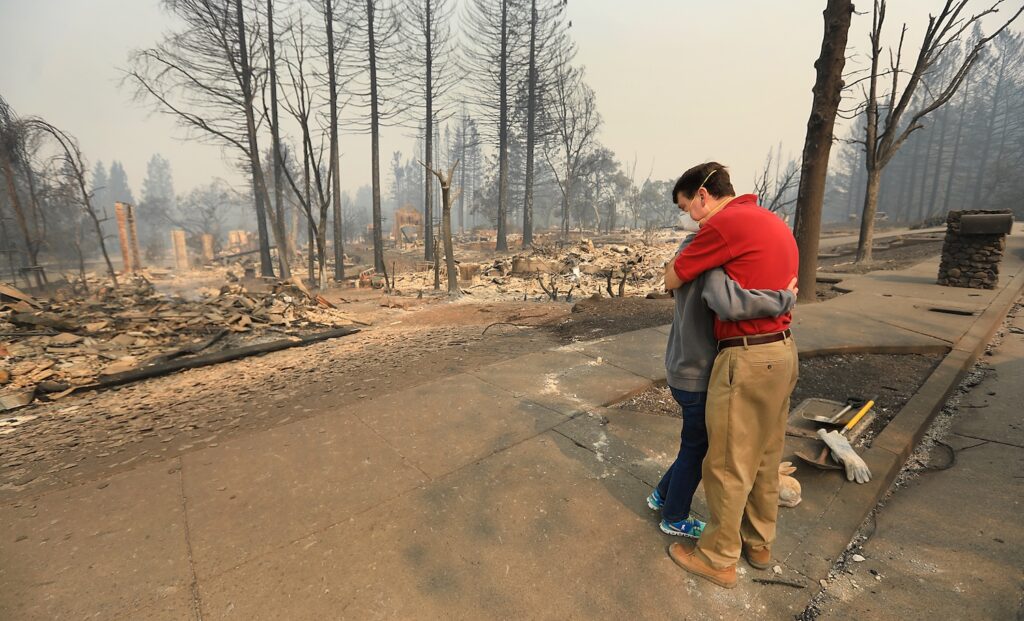
After the Fire helps communities which have been affected by megafires recover and rebuild. They work with local leaders to learn about the neighborhood, channel competency within it, and develop a plan to move forward. The organization has worked with groups impacted by megafires up and down the west coast.
As survivors of megafires themselves, Thompson and Brown can empathize with those with whom they are working. “We have experienced this,” Thompson said she tells victims of megafires. “We can’t give you back the day before the fire, but we can help get your community home.”
MDA has run a post traumatic stress disorder prevention program since 2000. MDA medics, from youth volunteers to dispatchers to paramedics, all participate in preventative programs coined “psychological first aid,” including information about stress reduction.
The panelists from both After the Fire and MDA emphasized the importance of human connection after a traumatic event.
After the Fire plans gatherings for neighborhoods impacted by megafires to talk about what happened and where they can find hope for the future. “There is a need for connection to process grief and move forward,” said Thompson. She said that it is gratifying to see communities come together and help each other after surviving a megafire.
Likewise, after particularly difficult events, MDA holds debriefing sessions for its teams. Abramowitz stressed that when people have the space to discuss what they have experienced in a group, they see that they are part of a shared trauma and their feelings are validated.
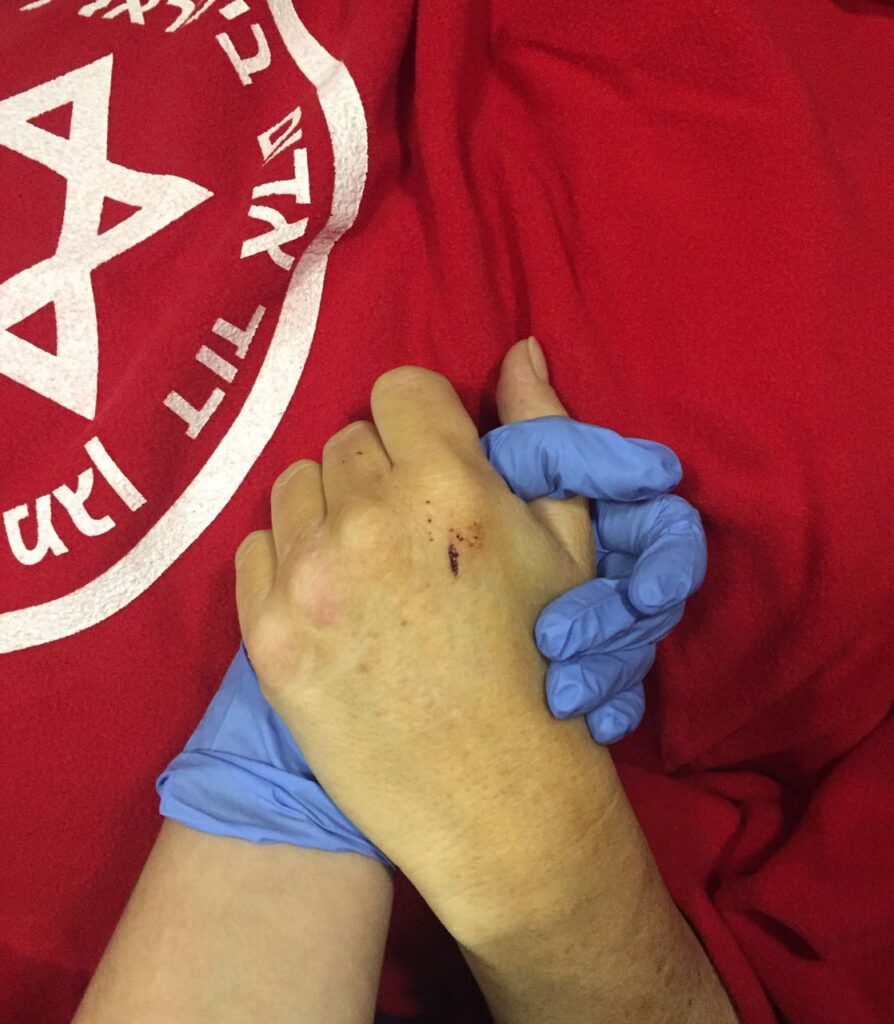
Following the horrific October 7 attacks on Israel, Abramowitz and Knobler traveled to MDA stations in both northern and southern Israel where they debriefed with MDA teams along with other mental health professionals.
In their sessions, Abramowitz and Knobler worked with medics who had seen and lived through truly terrible events on October 7 and the days immediately afterwards to try and make sense of the disaster they experienced by constructing a personal narrative. The members of the groups were instructed to ask themselves, “how did I get through this?” The post-traumatic groups strived to develop some closure together. Through this outreach, Abramowitz, Knobler, and their colleagues were able to identify some medics who needed additional, more personalized mental health support.
Knobler also spoke about post-traumatic growth and how many people who experience trauma see new possibilities in their lives after overcoming trauma, such as feeling stronger and having newfound spirituality.
The experts from MDA and After the Fire all highlighted the importance of preparedness for moving forward.
Brown emphasized personal preparedness, particularly financial preparedness. She recommended having your important documents scanned and available digitally on the cloud, having a financial reserve, and making sure you have adequate insurance in case the worst happens.
“We don’t recommend living in constant worry,” Knobler said. “Of course, it’s better not to have fires and wars, but in California you need to know what to do in case of a fire, and in Israel we need to know what to do when we hear a siren. We are prepared.”
Knobler added, “if you are prepared for traumatic events, it helps you become more resilient.”

